
Faceless YouTube Monetization: Why Faceless Does NOT Mean AI Slop

The "Get Rich Quick" lie of 2024-2025 is officially dead.
You’ve seen the ads: "Start an AI automation channel, click three buttons, and watch the passive income roll in."
In 2026, those channels are failing big time. YouTube’s algorithm has evolved to detect "low-effort" generative content, and viewers have developed "AI Fatigue."
I spend more time watching YouTube than I'd like to admit.
When I come across a new channel with an AI voiceover, I almost always click away (and so do most people, btw.)
The main reason I click away isn't that the AI voice is robotic (AI voices are getting pretty good). The reason is that it makes me trust the information less. If I hear an AI voice, I automatically assume that no human ever read or edited the text.
Mass-producing content with AI is too easy. It takes less time to create a new video than to watch it.
If I know I'm listening to a real human voice, it means at least a real person took the time to say each word. They didn't just click a couple of buttons to make the entire video.
1. Faceless Does NOT Equal AI
Faceless YouTube channels don't bother me at all - it's just the AI mass-produced ones I hate.
If a real person is behind the faceless screen recording, then I have no problem at all.
I personally have several monetized YouTube channels where I talk over my screen and don't show my face. My audience retention is very good.
I go into detail here about how to create a faceless YouTube channel.
2. Avoiding the "Inauthentic Content" Flag
YouTube’s 2026 transparency tools now require creators to disclose "Altered or Synthetic Content." While there’s a place for AI, a channel that is 100% synthetic is increasingly seen as a "risk" by the platform. By using your real voice over high-quality screen captures, you bypass these flags entirely. You own your content, your biometric "voice print" is unique to you, and your channel is a "Safe Bet" for the algorithm.
And again, it's not just the "not being banned" part.
Unless your AI content is uniquely good, most people will click away, and you won't get views.
And creating AI content that is really that good takes at least as much time because of all the editing required. (Anything you make that takes only a few clicks will be far too generic.
If it only takes you a few clicks to make something, it will only take someone else a few clicks too.
3. Personality is Your Moat
If anyone can generate an AI video with a prompt, then your channel has zero "Moat." You are easily replaceable. However, nobody can replicate your specific way of explaining a software bug, your reaction to a gaming clip, or your specific professional expertise.
4. Get the Right Software
The most successful faceless creators in 2026 aren't "prompting"; they are recording.
To build a faceless empire that actually pays the bills, you need to move past "automation" and into "high-fidelity capture." Choosing the best screen recording software is the difference between a hobby and a business.
I use Podsplice to create my reaction videos because it is the easiest to use and records the highest quality videos (most screen recorders are not meant for content creators).
Here is a faceless video I made with Podsplice to give you an idea.

About the Author
Andrew Best
Andrew Best is an entrepreneur, educator, and AI expert with over two decades in online marketing. He co-founded China232 — a podcast and learning platform with 10M+ downloads — and later 88Herbs, a premium supplement company. Andrew now focuses on helping creators leverage AI for podcasting, screen recording, and YouTube content through Podsplice.
More from Podsplice
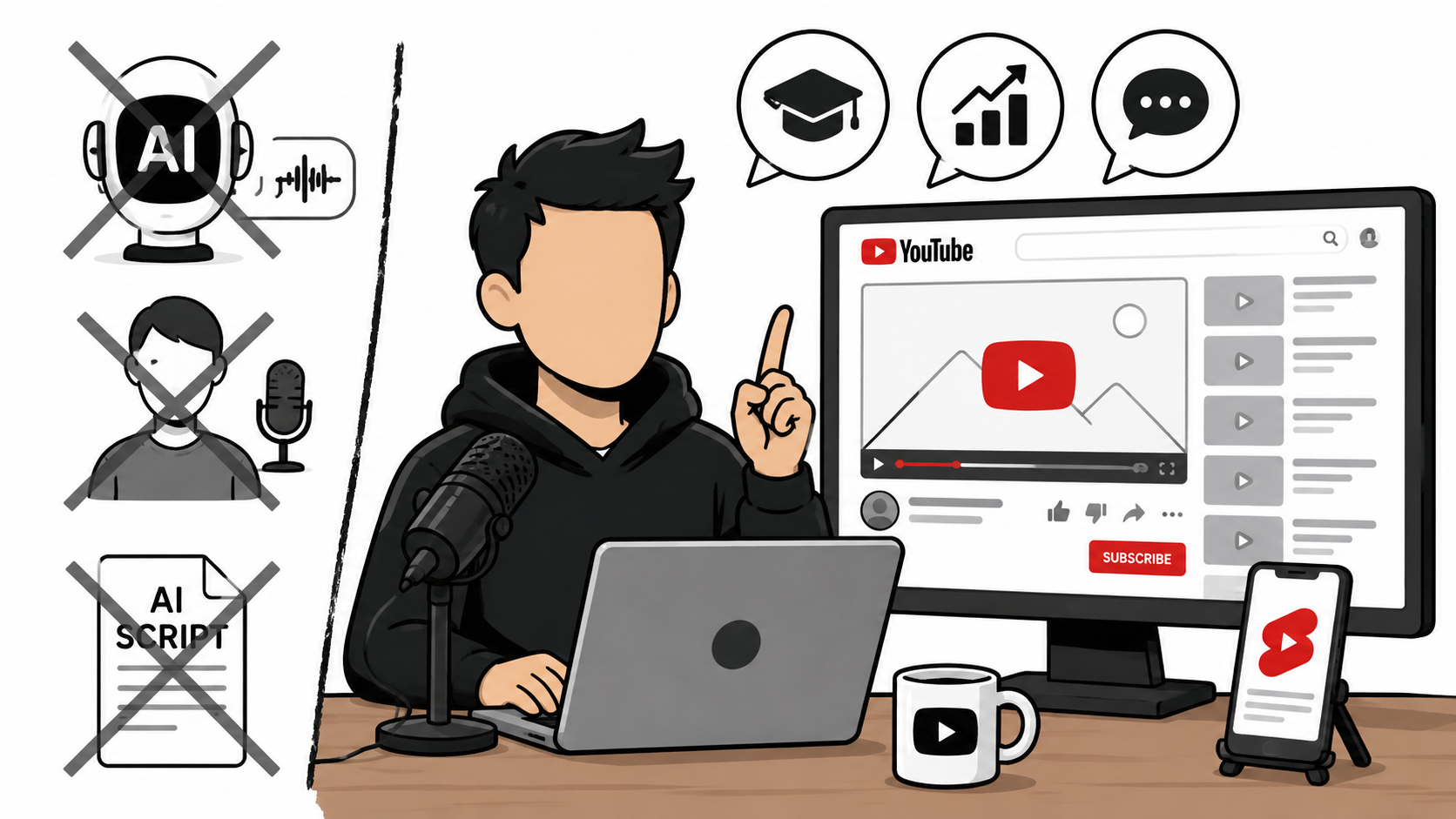
How to Start a Faceless YouTube Channel Without AI (2026 Guide)
Article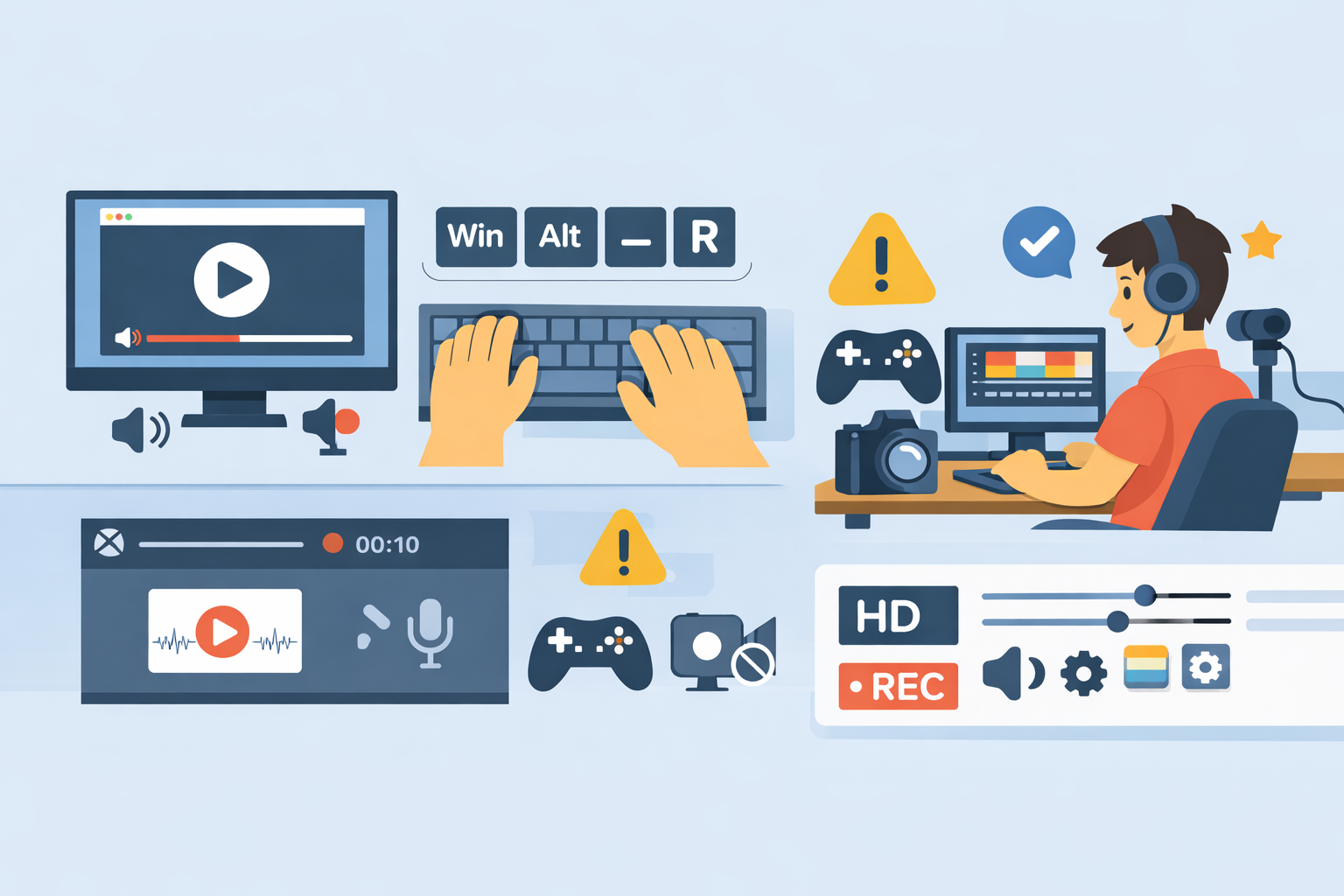
How to Record Screen with System Audio (Windows + Alt + R + Better Alternative)
Article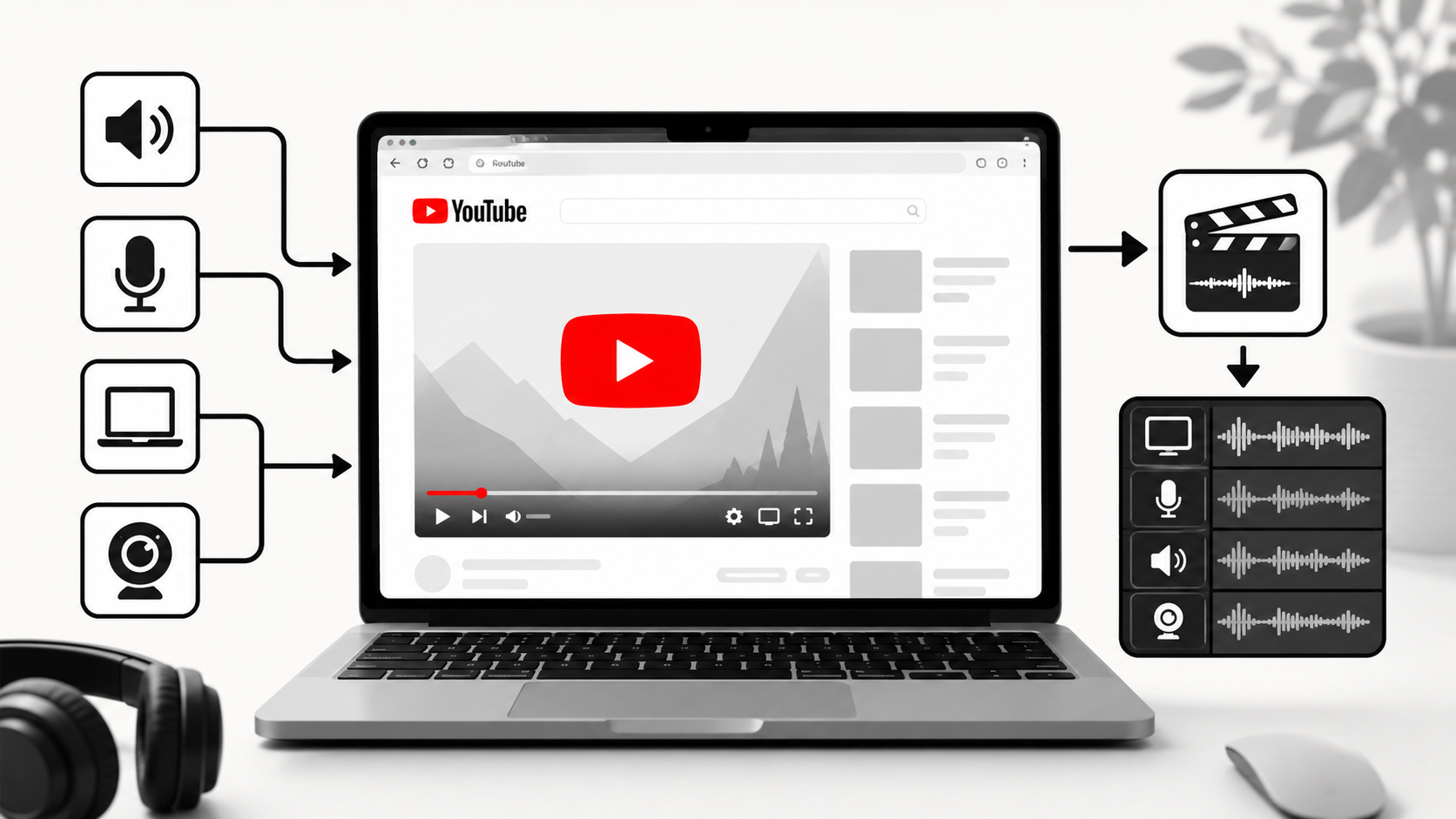
How to Record YouTube Audio on Mac (The Easiest Way in 2026)
Article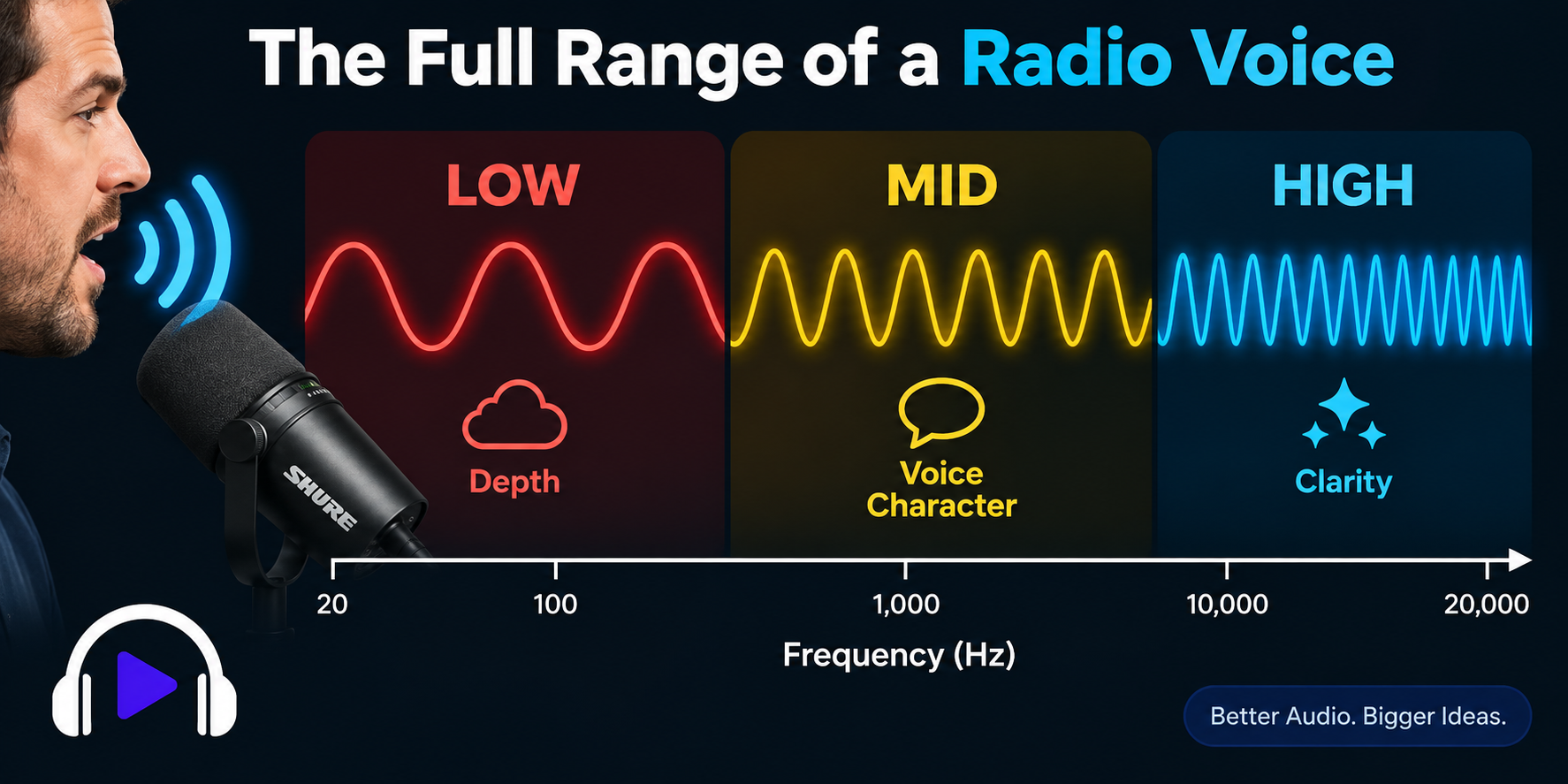
Why Does My Voice Sound Tinny Even With a Good Microphone?
Blog
Easiest Way to Earn Money from Affiliate Marketing in 2026 (Faceless Screen Recording Videos)
Blog
Start Recording in Seconds
No downloads. No setup. Just hit record and share your story with the world in studio quality.
Looking for a Screen Recorder or Remote Recording tool?